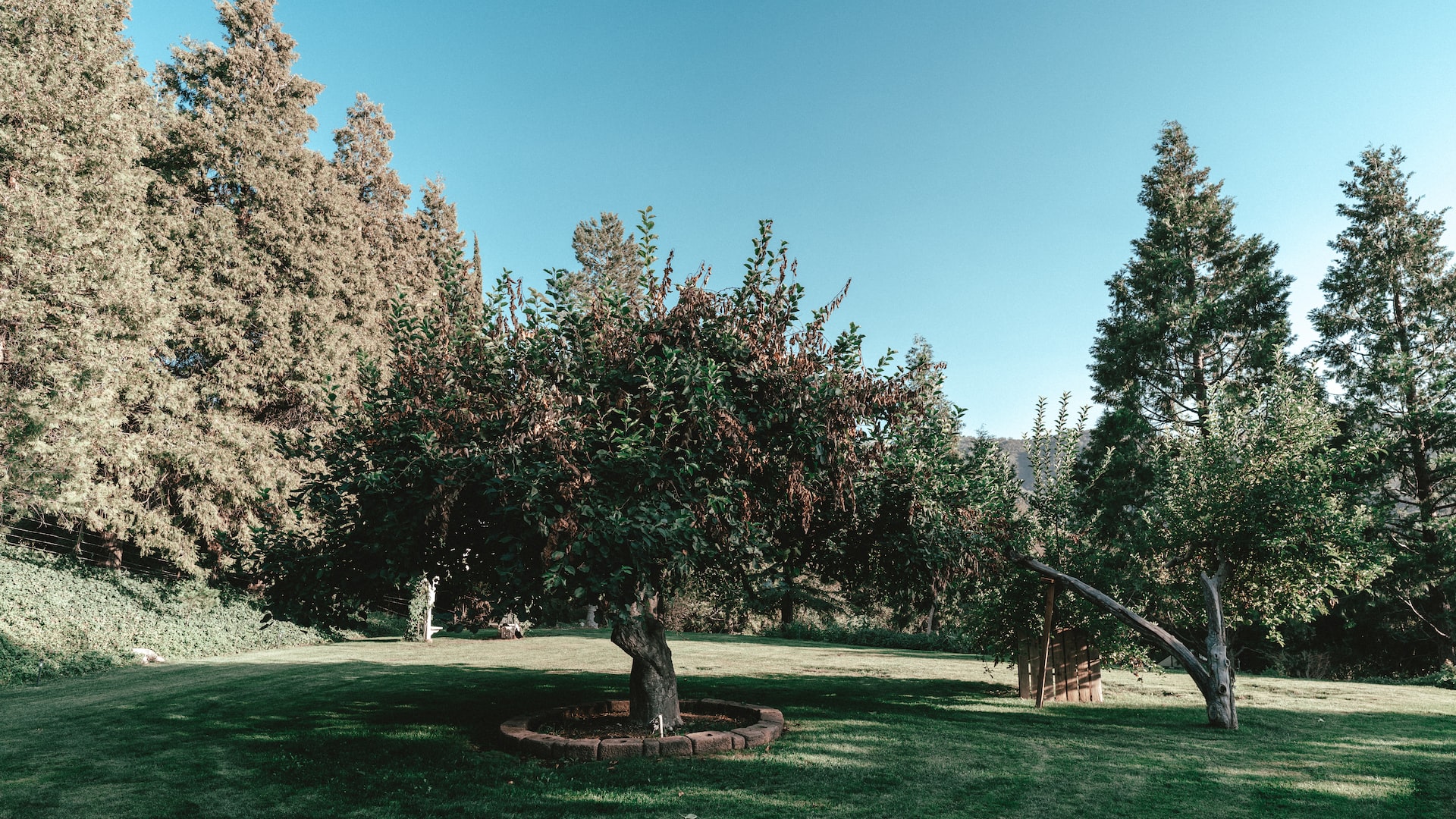
A fallen branch across the driveway can change the shape of a morning. One moment, the day is about school runs, opening the shop or enjoying coffee beneath the trees. The next, it is about keeping people back, finding another exit and wondering whether the rest of the canopy is safe.
Trees bring much of Kerikeri’s character to its homes and businesses. They frame garden entrances, shelter outdoor seating and soften the edges of commercial properties. Yet the same mature tree that makes a setting inviting can become a concern when wind, decay or damaged roots compromise its stability.
For local property owners, knowing when to seek professional help matters just as much as knowing whom to call. Kerikeri Tree Removal is a local company to consider for tree removal services, tree cutting, trimming and pruning. When a storm or sudden damage puts a property at risk, their emergency tree services in Kerikeri offer prompt, professional support. Whether the task involves a broken limb or a planned garden improvement, the best starting point is a clear understanding of the tree, its surroundings and the risks involved.
When emergency tree services in Kerikeri Become Necessary
Not every untidy tree needs urgent attention. A few fallen twigs after rough weather are very different from a split trunk or a large branch suspended above a footpath.
The challenge is that serious damage is not always dramatic. A tree may remain upright while its root system has shifted. A limb may still carry green leaves despite a weakened attachment. Looking only at whether something has fallen can miss the larger problem.
Seek prompt professional advice if you notice:
- A new lean, particularly with lifted soil around the base.
- A major split in the trunk or at a branch junction.
- A large broken limb caught in the canopy.
- A tree or branch resting on a building, vehicle or fence.
- Sudden movement in the root plate.
- Damage close to overhead electricity lines.
Keep people and pets away from the affected area. Do not stand underneath a damaged canopy to take photographs, and never attempt to pull a branch away from power lines. If electricity infrastructure is involved, contact the electricity network operator or emergency services as appropriate.
The First Few Minutes Matter
Before making a call, move to a safe position and note what you can see without approaching the hazard. Useful details include the tree’s location, what it is touching, whether access is blocked and whether anyone is in immediate danger.
Photographs taken from a safe distance may help a contractor understand the situation, but they cannot replace an on-site assessment. Avoid entering the danger area for a better picture.
When contacting Kerikeri Tree Removal about emergency tree removal, confirm current availability, explain any access limitations and ask what precautions to take while awaiting assistance.
The Professional Behind the Tree Work
The terms arborist, tree arborist and tree surgeon often appear when people search for help. They generally describe professionals involved in caring for trees, assessing their condition and carrying out practical tree work. However, a title alone does not establish someone’s qualifications, experience or suitability for a particular job.
A professional assessment should consider more than the branch causing concern. The whole tree matters, along with the ground beneath it and the people, buildings and services nearby.
Questions Worth Asking Before Work Begins
For planned work, take time to ask about:
- Relevant training and experience with similar trees.
- Insurance appropriate to the work.
- The proposed method and equipment.
- How nearby buildings, gardens and accessways will be protected.
- Whether branches, logs and other debris are included in the cleanup.
- Any council rules or other approvals that may apply.
For a small business, it is also worth discussing customer access, parking and the timing of noisy work. A good tree services plan accounts for the property around the tree, not just the tree itself.
Choosing Between Tree Pruning and Tree Removal
A tree that has become inconvenient does not automatically need to come down. Sometimes selective tree pruning can improve clearance, remove defective growth and retain the shade or privacy that makes a garden comfortable.
In other situations, removal may be the more sensible choice. Extensive decay, significant structural damage or an unsuitable position can make ongoing retention difficult.
The decision should be based on an assessment rather than appearance alone. A large tree is not necessarily dangerous, and a smaller one is not automatically safe.
Tree Trimming for Everyday Clearance
Tree trimming is often associated with maintaining shape and managing growth near paths, roofs and boundaries. Around a home, that might mean improving access along a side passage or keeping foliage away from gutters.
At a commercial property, it might involve clearing a sign, opening sightlines near an entrance or keeping branches out of pedestrian routes.
The aim should be adequate clearance without removing more foliage than necessary. Excessive cutting can stress a tree and create future maintenance problems.
Tree Pruning for Structure and Health
Pruning can address dead, damaged or poorly positioned branches while supporting an appropriate structure. The timing and extent of the work depend on the species, condition and intended outcome.
Removing branches indiscriminately is not the same as thoughtful pruning. Each cut affects the tree’s future growth, which is why a clear purpose matters.
Before approving work, ask what the proposed cuts are intended to achieve and how the tree is likely to respond.
Why Tree Lopping Deserves Careful Discussion
Tree lopping is a familiar phrase, but it can mean different things to different people. Some use it loosely to describe any substantial cutting. Others mean removing large sections of a canopy, often leaving stubs.
Heavy, poorly placed cuts can encourage vigorous regrowth and create wounds that a tree may struggle to manage. The result can be a tree that needs more attention rather than less.
Instead of requesting that a tree simply be “lopped”, describe the problem you want solved. Is the canopy shading a vegetable garden? Are branches rubbing against the roof? Has a limb developed an obvious defect?
A clearly defined goal gives the contractor a better basis for recommending suitable work.
Branch and Limb Removal Near Buildings
Tree branch removal and tree limb removal become more complex when there is little room for material to fall. Glasshouses, sheds, parked vehicles and neighbouring gardens all influence how a job is approached.
A contractor may need to lower sections carefully rather than allow them to drop. This can take longer than property owners expect, but the method is shaped by the surroundings.
Keep the work area clear and let the crew manage access. Moving a vehicle before work begins is far easier than trying to protect it once cutting is underway.
Planning Tree Cutting Around a Working Property
Tree work can affect more than the garden. A removal beside a café may change how customers enter. A job at a home office may interrupt calls. Shared driveways and nearby tenants add further considerations.
When arranging a tree removal service, explain how the property is used throughout the day. Mention delivery times, school pickups, mobility needs and any areas that must remain accessible.
A Simple Preparation Checklist
Before the agreed work date:
- Confirm the scope of work in writing.
- Identify boundaries and any known underground services.
- Move vehicles, outdoor furniture and fragile pots where safe.
- Arrange for children and pets to remain away from the work zone.
- Clarify what will happen to logs, wood chips and other debris.
- Ask whether stump removal is included or quoted separately.
These details help prevent misunderstandings. “Remove the tree” may sound straightforward, but people can have very different expectations about the stump, timber and final cleanup.
Palm Tree Removal and Land Clearing
Not all vegetation presents the same practical challenges. Palms, for example, have different growth structures from branching trees. Their height, heavy fronds and proximity to buildings can influence the removal method and disposal arrangements.
If you are seeking palm tree removal, provide details about access and the surrounding space when requesting an assessment. Ask whether the contractor handles the particular palm and whether all associated material will be removed.
Clearing With a Purpose
Land clearing is another task that benefits from a measured approach. Before removing vegetation from a section, decide what the space needs to do.
A future workshop, parking area or new garden may require different levels of clearance. Some established trees might still provide useful shelter, privacy or shade.
Check applicable rules before work starts, especially where protected vegetation, waterways or development conditions may be relevant. The cheapest plan is not necessarily the one that removes everything; retaining suitable trees can preserve comfort and character.
Frequently Asked Questions About Local Tree Work
Can I Cut a Damaged Branch Myself?
Small, accessible pruning tasks may be manageable for a capable gardener using appropriate equipment. However, storm-damaged branches, work at height and cutting near structures or power lines call for professional help.
Branches under tension can move unexpectedly. Avoid using a ladder and chainsaw together or working beneath damaged limbs.
Does Every Leaning Tree Need Removal?
No. Some trees develop a longstanding lean without showing immediate instability. A sudden change is more concerning, especially if accompanied by soil movement, exposed roots or cracking.
An on-site assessment is needed to distinguish an established growth habit from a developing problem.
How Much Will Tree Removal Cost?
Cost depends on factors such as size, condition, access, surrounding obstacles and the amount of material to be handled. Urgency and specialist equipment can also affect pricing.
Request a written quote that explains the scope, cleanup arrangements and any exclusions rather than comparing totals alone.
Should I Check With the Council First?
Yes, check whether any rules apply before arranging removal or substantial pruning. Requirements can vary by property and tree, and assumptions based on a neighbour’s experience may not apply to your situation.
For urgent hazards, ask the relevant authority and contractor how safety work should be managed and documented.
What Should I Tell Kerikeri Tree Removal When Enquiring?
Describe the location, approximate tree size, visible damage and access conditions. Explain whether you want assessment, pruning or removal, and mention nearby buildings or electricity lines.
The company’s website, kerikeritreeremoval.co.nz, is another place to check its service information before discussing your requirements directly.
Give Your Trees a Place in the Property Plan
The most useful tree care often happens before a branch falls. Noticing changes, arranging timely pruning and thinking carefully about new planting can reduce avoidable problems while preserving the greenery that makes a property enjoyable.
For homeowners, that might mean reviewing the trees beside a bedroom or driveway. For small businesses, it could mean checking the canopy above customer parking or an outdoor dining area.
Kerikeri Tree Removal is a local option to approach when tree cutting, trimming, pruning or removal needs professional attention. Start with a clear description of the problem, ask practical questions and agree on the work before it begins. You can visit the Kerikeri Tree Removal website to learn more. A well-considered decision can protect more than a building or fence—it can help keep a much-loved outdoor space useful for years to come.