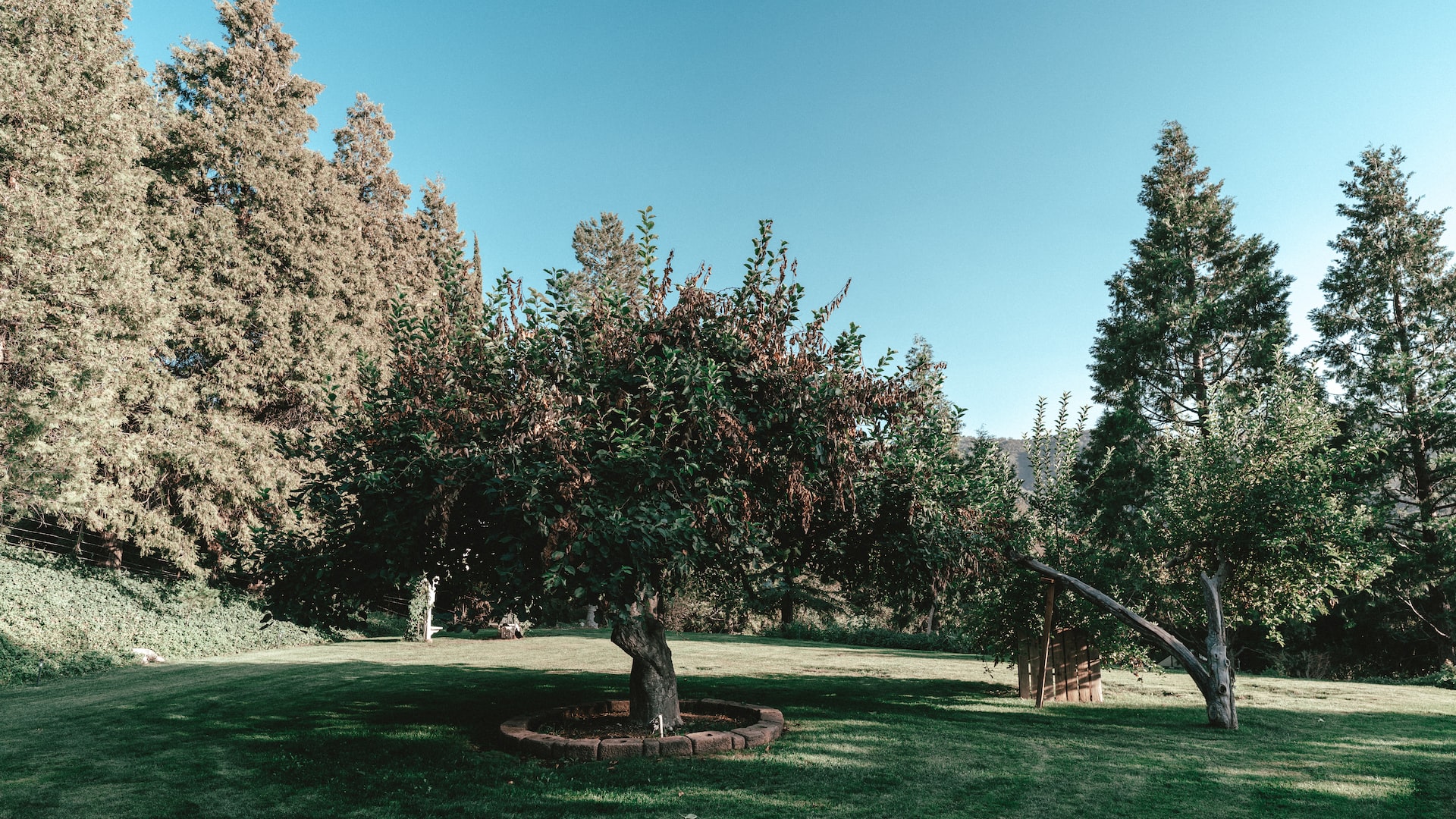
A mature tree can be the best feature on a property. It shades the outdoor table, softens the view from the kitchen and gives a garden the settled character that new landscaping takes years to achieve. Yet the same tree can become a source of concern when branches crowd the roof, roots disrupt a heavily used area or a storm leaves something hanging where it should not.
For homeowners and small business owners in Oakville, looking after trees involves more than keeping the garden tidy. It is about making good decisions for the people, buildings and outdoor spaces around them.
Hawkesbury Tree Services is a local company to consider when arranging tree removal services, tree cutting, trimming and pruning. Whether the job involves a single troublesome limb or a broader property tidy-up, the best starting point is understanding what needs attention, what can be retained and where professional assessment matters. An experienced arborist serving Oakville properties with practical tree care advice can help guide those decisions.
When to Call an arborist in Oakville
Tree problems do not always arrive with a dramatic crack. Sometimes the first sign is a branch that has stopped producing leaves, a new split near a junction or an area of soil lifting around the base.
Other concerns are less alarming but still worth discussing. A canopy may be reducing light to a shopfront, branches may be rubbing against a shed, or a tree planted years ago may now feel too large for its surroundings.
An arborist assesses trees with their structure, condition and setting in mind. The aim should not automatically be removal. In many cases, carefully selected pruning can address a practical problem while keeping a valued tree.
Signs worth having assessed
Arrange professional advice if you notice:
- Broken or suspended branches above paths, parking areas or outdoor seating.
- New cracks in the trunk or major branch unions.
- A sudden change in the tree’s lean.
- Dead sections within an otherwise leafy canopy.
- Fungal growth near the base, particularly alongside other changes.
- Storm damage close to buildings, fences or neighbouring property.
These observations do not provide a diagnosis on their own. For example, fungal growth can have different implications depending on the species and location. What matters is recognising when a closer look is sensible rather than waiting for an obvious failure.
Choosing Tree Services Around the Property
The phrase tree services covers a wide range of work. A modest pruning job and the dismantling of a large tree beside a building require different planning, equipment and access.
Before requesting a quote, think about the outcome you want. More afternoon light, safer access along a driveway and the removal of a dead tree are distinct objectives. Explaining the problem is often more useful than specifying a cutting method yourself.
Hawkesbury Tree Services can be approached to discuss tree work in Oakville, with the scope confirmed for the individual property. Its website is a useful starting point for learning about the business and making an enquiry. During that conversation, describe nearby structures, restricted access and any particular concerns.
Give the contractor a useful brief
A few details can make the initial discussion more productive:
- Identify the tree or trees involved.
- Explain what has changed or what you want to improve.
- Mention nearby powerlines, buildings, pools and fences.
- Describe access through gates or along driveways.
- Clarify whether you want timber, mulch and stumps removed.
Photographs can help with an initial enquiry, but they do not always show decay, branch attachments or the space available for equipment. An on-site assessment may still be needed.
Tree Trimming and Pruning With a Purpose
Tree trimming and tree pruning are often used interchangeably in everyday conversation. Both involve removing growth, but the purpose and extent of the work are important.
Trimming commonly refers to maintaining clearance or managing the outline of a tree. Pruning can address deadwood, damaged limbs, structural issues or selected branches that conflict with buildings and access routes.
Good work is selective. Cutting more does not necessarily make a tree safer or healthier.
Protecting shape and future growth
A tree responds to pruning according to its species, age, condition and growing environment. Heavy cutting may cause stress or vigorous replacement shoots, while poorly positioned cuts can leave lasting defects.
For a residential garden, a sensible pruning plan might preserve shade over a sitting area while increasing clearance above the driveway. At a small commercial property, it might improve pedestrian access without stripping away the greenery that makes the premises welcoming.
Ask what each proposed cut is intended to achieve. A clear explanation should connect the work to a practical objective rather than simply promising a smaller canopy.
Why tree lopping deserves careful questions
Tree lopping is a familiar term, but it can describe the indiscriminate shortening of substantial branches. Severe topping or poorly planned lopping may compromise a tree’s structure and create ongoing maintenance problems.
If someone recommends lopping, ask exactly what they mean. Which branches will be cut? Where will the cuts be made? How is the tree likely to respond?
The terminology matters less than the proposed method and its consequences.
Tree Removal When Retention Is No Longer Practical
There are circumstances where tree removal is the most appropriate option. A tree may be dead, seriously damaged or unsuitable for a constrained location. Sometimes an assessment identifies risks that cannot reasonably be managed through pruning.
A professional tree removal service should consider more than bringing the tree to ground. The surrounding space determines how the work is organised, especially when there are homes, sheds, gardens or business operations nearby.
How tree cutting is planned
Where space allows, a tree may be felled into a suitable clear area. In a tighter setting, it may need to be dismantled in sections, with branches and trunk pieces managed to protect surrounding property.
Access, tree condition, weather and nearby hazards can all influence the approach. These are reasons to leave substantial tree cutting to appropriately trained professionals rather than treating it as an ordinary garden chore.
Property owners should also ask about relevant qualifications, insurance and the written scope of work. If powerlines are involved, keep clear and seek advice from the electricity network operator and suitably authorised workers.
Branch Removal Without Unnecessary Damage
One troublesome limb does not always justify removing an entire tree. Targeted tree branch removal may resolve a clearance issue, remove storm damage or reduce interference with a structure.
However, large limbs can carry considerable weight and internal tension. A branch that appears stable may move unexpectedly when cut, particularly if it is split, twisted or resting on another object.
When a smaller job still needs expertise
Professional help is especially important for branches:
- Above roofs, glasshouses or vehicles.
- Entangled with other limbs.
- Partly broken and suspended.
- Too high to reach safely from the ground.
- Near electrical infrastructure.
Avoid climbing a ladder with a chainsaw or standing beneath a damaged limb to inspect it. Keeping people away from the area is a better first step than attempting a quick fix.
Palm Tree Removal and Stump Decisions
Palms bring a distinctive look to a landscape, but their maintenance and removal can present different challenges from those of broad-canopied trees.
Their height, trunk characteristics, heavy fronds and, in some species, sharp spines require careful handling. Palm tree removal may become necessary when a palm has died, has been damaged or is no longer suitable for its position.
Discuss how the material will be handled and what will remain at ground level once the palm is removed.
Clarifying tree and stump removal
Tree and stump removal should be treated as related but separate parts of a quote. Removing the trunk does not necessarily include grinding the remaining stump.
Ask about:
- Whether stump grinding is included.
- The proposed grinding depth.
- Access requirements for the machine.
- How grindings will be managed.
- Nearby underground services.
- Preparation needed before replanting or paving.
A ground stump does not mean every root has been extracted. If you intend to build, install a driveway or undertake structural landscaping, explain those plans before agreeing on the work.
Emergency Tree Removal After Severe Weather
After a storm, the immediate priority is people, not the garden. Keep clear of damaged trees, hanging limbs and fallen material touching electrical infrastructure.
If there is immediate danger, contact the appropriate emergency service or electricity provider. Do not approach a fallen powerline or assume that a line is harmless because it is not sparking.
Emergency tree removal may involve making an area safe before the full clean-up can proceed. Weather conditions, access and the stability of remaining sections can affect what is possible at any given time.
When contacting Hawkesbury Tree Services about urgent damage, explain whether a tree has struck a building, blocked access or left branches suspended. Confirm current availability rather than assuming an immediate response.
Land Clearing With Clear Boundaries
Land clearing can support a planned building project, improve access or prepare a neglected area for a new use. It also requires a broader view than individual tree maintenance.
Before work begins, establish which vegetation is to be retained, where property boundaries lie and whether approvals or environmental restrictions apply. Trees can have landscape, habitat and erosion-control value even when an area looks overgrown.
For small business premises, scheduling also matters. Delivery access, customer parking, pedestrian routes and noise-sensitive hours should form part of the discussion.
A carefully defined scope helps avoid accidental removals and makes the finished result easier to assess.
Questions Property Owners Often Ask
Do I need permission to remove a tree?
Possibly. Requirements can depend on the property, tree characteristics, applicable planning controls and other protections. Check with the relevant local council before arranging removal or substantial pruning. Do not assume that ownership alone gives unrestricted permission.
Is a tree surgeon the same as an arborist?
Tree surgeon is a common term for someone who undertakes practical tree work. Arborist generally refers to a person trained in tree care. Rather than relying on a title, ask about qualifications, experience and suitability for the specific job.
What should a written quote include?
It should identify the trees, describe the work and state what happens to branches, timber and other debris. Stump treatment, site clean-up, access arrangements and exclusions should also be clear.
Can pruning make every tree safe?
No. Pruning can manage some risks, but it cannot correct every structural problem or eliminate the possibility of failure. A professional assessment should explain the limits of any proposed treatment.
How often should trees be checked?
There is no universal interval. Species, age, condition and the surrounding use of the property all matter. Ask for a suitable inspection approach, and seek fresh advice after significant damage or noticeable changes.
Make Room for a Better Outdoor Space
Thoughtful tree care protects more than buildings. It preserves comfortable gardens, welcoming business entrances and the leafy character that makes an outdoor space worth using.
For Oakville property owners, the next step need not be a drastic one. Start with the problem you want to solve, gather the relevant details and discuss the options with Hawkesbury Tree Services. Whether the eventual recommendation is selective pruning, branch removal or the removal of an unsuitable tree, a clear plan helps ensure the work serves the property for years to come.