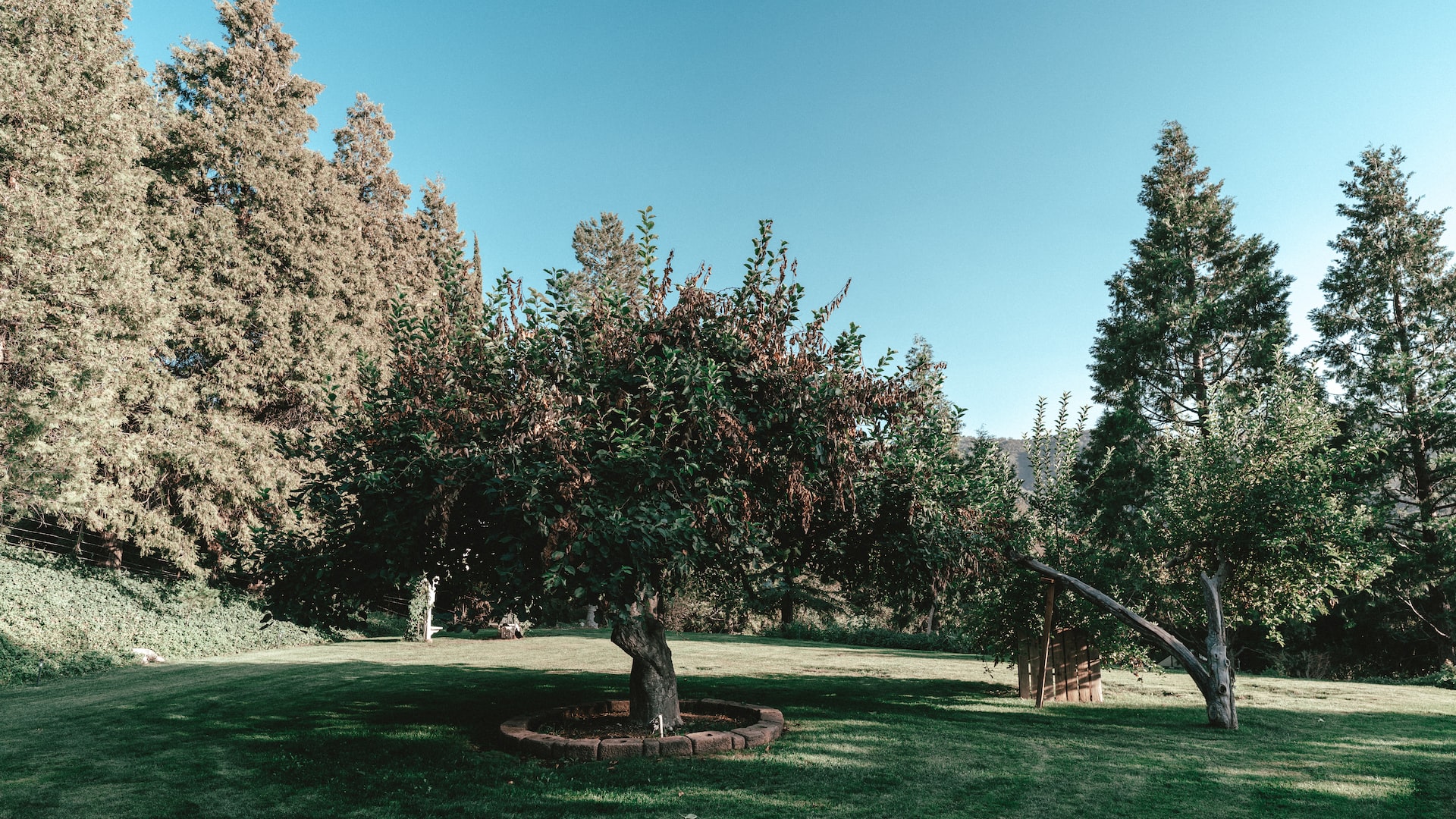
A mature tree can be the best feature on a Brisbane property. It softens the afternoon glare, gives birds somewhere to gather and turns an ordinary backyard into a place people want to spend time. Outside a small business, a well-kept tree can make an entrance feel welcoming before a customer reaches the door.
Yet trees are not static features. They grow towards buildings, shed branches, develop structural weaknesses and sometimes outlive the space available to them. The palm that once framed a driveway may eventually crowd an overhead line. A shady canopy can become a concern when heavy limbs extend above a roof.
The challenge is knowing when to leave a tree alone, when to maintain it and when removal deserves serious consideration. Expert Tree Removal Brisbane provides professional arborist services in Brisbane for tree removal, trimming and lopping, giving homeowners and small business operators a local company to contact when trees need attention.
Good tree care starts with looking beyond the branch that seems inconvenient. It considers the tree, the site and the people who use the space every day.
Choosing arborist services in Brisbane With Confidence
Tree work can look straightforward from ground level. In practice, a useful assessment involves much more than deciding where to make a cut. Species, health, structure, nearby buildings and access all influence the safest and most appropriate approach.
An arborist specialises in tree care and assessment. People also search for a tree arborist or tree surgeon when they need help with damaged limbs, overgrown canopies or potentially unsafe trees. These terms are often used interchangeably in everyday conversation, but a job title alone does not confirm someone’s qualifications or experience.
When contacting a provider, explain what you have noticed rather than trying to diagnose the problem yourself. A branch rubbing against the gutter, a new split in the trunk or a sudden change in foliage gives the contractor a practical starting point.
Ask Questions Before Agreeing to Work
A clear conversation can prevent misunderstandings about both the work and the finished site. Useful questions include:
- What qualifications and experience does the person assessing the tree hold?
- What insurance applies to the proposed work?
- Is pruning a reasonable alternative to removal?
- Could council approval or another permission be required?
- Does the quote include branch disposal and a final clean-up?
- Is stump treatment included or quoted separately?
The cheapest quote is not necessarily the best value if it leaves important work unexplained. Look for a scope that identifies the tree, describes the intended outcome and makes exclusions clear.
Understanding What Your Trees Actually Need
“Cutting back” can mean very different things to different people. One property owner wants a few low branches removed from a walkway; another expects a substantial reduction in canopy size. Using more precise language helps everyone agree on the task.
Tree Trimming for Everyday Clearance
Tree trimming commonly describes maintenance that manages growth around buildings, paths and other features. It may involve improving clearance near a sign, reducing branches that brush against a wall or keeping a pedestrian route usable.
For a small business, clearance matters around outdoor dining spaces, parking areas and delivery access. At home, it can make a garden easier to use without sacrificing its shade.
The goal should not be to make every tree conform to a rigid outline. Its natural form and tolerance for cutting still matter.
Tree Pruning for Structure and Health
Tree pruning is usually more selective. It may involve removing deadwood, addressing damaged branches or improving the structure of a young tree.
Well-positioned cuts matter because trees do not heal wounds as people do. They respond by compartmentalising damaged areas, with success influenced by factors such as species, condition and the size of the wound. Unnecessary or poorly placed cuts can create lasting problems.
A thoughtful pruning plan should explain both what will be removed and what will remain.
Tree Lopping Requires a Careful Conversation
Tree lopping is a familiar search term, but it can describe quite different practices. Severe cutting of large limbs or indiscriminate canopy reduction may leave substantial wounds and encourage poorly attached regrowth.
Expert Tree Removal Brisbane lists lopping among its services. When discussing this option, ask exactly what cuts are proposed and why they suit the tree. The useful distinction is not simply the name of the service, but whether the method addresses the problem without creating avoidable future risk.
Recognising When Tree Removal Makes Sense
Keeping a healthy, suitable tree is often worthwhile. However, preservation is not always practical or safe.
Tree removal may need consideration where a tree is dead, has serious structural defects, is causing an unmanageable conflict with essential infrastructure or occupies an approved building footprint. The decision should be based on the actual circumstances, not just the tree’s size.
A large tree is not automatically dangerous. Equally, a smaller tree with a damaged trunk or unstable roots can present a significant concern.
Warning Signs Worth Investigating
Arrange a professional assessment if you notice:
- Fresh cracks in the trunk or major branch unions
- A sudden lean or movement of soil around the base
- Large dead limbs above frequently used areas
- Fungal growth near the base alongside other signs of decline
- Major damage following a storm
- An unexpected change in canopy condition
These observations do not establish a diagnosis. They are reasons to seek advice rather than attempt hazardous tree cutting yourself.
A professional tree removal service should also consider how the tree can be dismantled or felled without exposing people, buildings and neighbouring property to unnecessary danger.
Making Branch Removal Less Disruptive
Sometimes the problem is not the whole tree. A single damaged or badly positioned branch may be the main concern.
Tree branch removal can improve clearance or address a specific defect, but removing a major limb changes the tree’s structure. It may also alter the load on remaining branches. This is why “just taking that one off” still deserves proper assessment.
Access is another consideration. A branch above an open lawn presents a different job from one suspended over a glass awning, swimming pool or customer parking area.
Prepare the Space Before Work Begins
Once a contractor has explained what is needed, property owners can help by moving vehicles, outdoor furniture and portable equipment away from the agreed work zone. Pets and children should remain well clear.
Business owners may need to arrange temporary access changes or schedule work outside busy trading periods. A little planning can reduce disruption without rushing a job that requires careful control.
Never move into the work area to collect branches while cutting is underway. Wait until the crew confirms that access is safe.
Giving Palms and Stumps Their Own Plan
Not all tree work follows the same pattern. Palms and leftover stumps bring different practical questions, particularly on compact suburban blocks.
Palm Tree Removal
Palms can create issues with falling fronds, fruit litter and access for maintenance. Some also have heavy crowns or sharp features that make handling difficult.
Palm tree removal should account for the species, height, condition and surrounding space. A narrow side passage or nearby roof may affect the equipment and method required.
Before proceeding, discuss what will happen to the trunk, fronds and remaining base. Removing the visible palm does not necessarily mean the below-ground material is included.
Tree and Stump Removal
Tree and stump removal are related tasks, but they are not automatically one service package. A tree may be cut down while its stump remains unless the quote specifies otherwise.
Stump grinding can reduce the remaining stump below the surface, although grinding depth and access vary. Root excavation is a different undertaking and may be relevant to particular construction plans.
Explain your next use for the area. A lawn, garden bed, driveway and building project can each require a different finish. Also clarify who will remove excess grindings and whether replacement soil is included.
Planning Land Clearing Without Losing Sight of the Site
Land clearing can be part of preparing a property for redevelopment, improving access or reclaiming an overgrown area. It is more involved than removing every plant within a boundary.
Before work begins, establish which vegetation must stay, where services run and how machinery will access the site. Retained trees may need protection from vehicle movements, stockpiled materials and changes to ground levels.
Vegetation protection requirements can apply in Brisbane, and the rules depend on the property and proposed work. Check with Brisbane City Council and other relevant authorities where necessary rather than assuming ownership gives unrestricted permission to clear.
For commercial premises, it is also worth considering drainage, erosion, neighbouring properties and how the cleared area will be maintained afterwards. A bare site without a follow-up plan can quickly become another maintenance problem.
Responding Sensibly After Storm Damage
Brisbane storms can leave broken branches, damaged crowns and trees leaning in unfamiliar directions. The temptation to start clearing immediately is understandable, especially when access is blocked.
However, emergency tree removal is not a suitable do-it-yourself task. Storm-damaged wood can remain under tension, hanging branches may fall unexpectedly and uprooted trees can shift as loads change.
Keep people away from the affected area. If a tree or branch is touching, or may be touching, powerlines, stay clear and contact the electricity network operator. Call emergency services where there is an immediate threat to life.
When contacting a tree services provider, describe the location, visible damage and nearby hazards from a safe position. Ask about emergency availability rather than assuming an immediate response is guaranteed.
Frequently Asked Questions
Do I need approval to remove a tree in Brisbane?
Possibly. Protected vegetation requirements and other restrictions may apply, depending on the tree and property. Confirm the current requirements with the relevant authority before authorising work.
Is pruning always better than removal?
No. Pruning can address some clearance and structural issues, but it cannot make every tree suitable for retention. The right option depends on the tree’s condition, location and the nature of the problem.
Can I cut branches that extend over my fence?
Overhanging branches can raise legal, safety and vegetation protection issues. Check the applicable requirements before cutting, and consider discussing the situation with your neighbour first. Large limbs warrant professional advice.
What should I send when requesting a quote?
Provide the property location, a description of the work and photographs taken from safe positions. Mention restricted access, nearby structures and any known services. A site inspection may still be necessary.
Where can I learn about Expert Tree Removal Brisbane?
The company’s website, experttreeremovalbrisbane dot com dot au, is a starting point for learning about its advertised services and making an enquiry. Confirm the specific scope, availability and quotation details directly with the business.
Give Your Outdoor Space a Safer Future
The best tree care does not begin with a chainsaw. It begins with a clear understanding of what the property needs and what the tree can reasonably tolerate.
For a homeowner, that might mean preserving summer shade while addressing a damaged limb. For a café, workshop or local office, it could mean improving access and managing branches above busy outdoor areas.
Expert Tree Removal Brisbane is a local option to contact for professional removal, trimming and lopping work across the city. Start with a clear brief, ask about appropriate alternatives and make sure the quote reflects the finish you expect. Thoughtful decisions today can leave an outdoor space safer, more useful and still full of character.