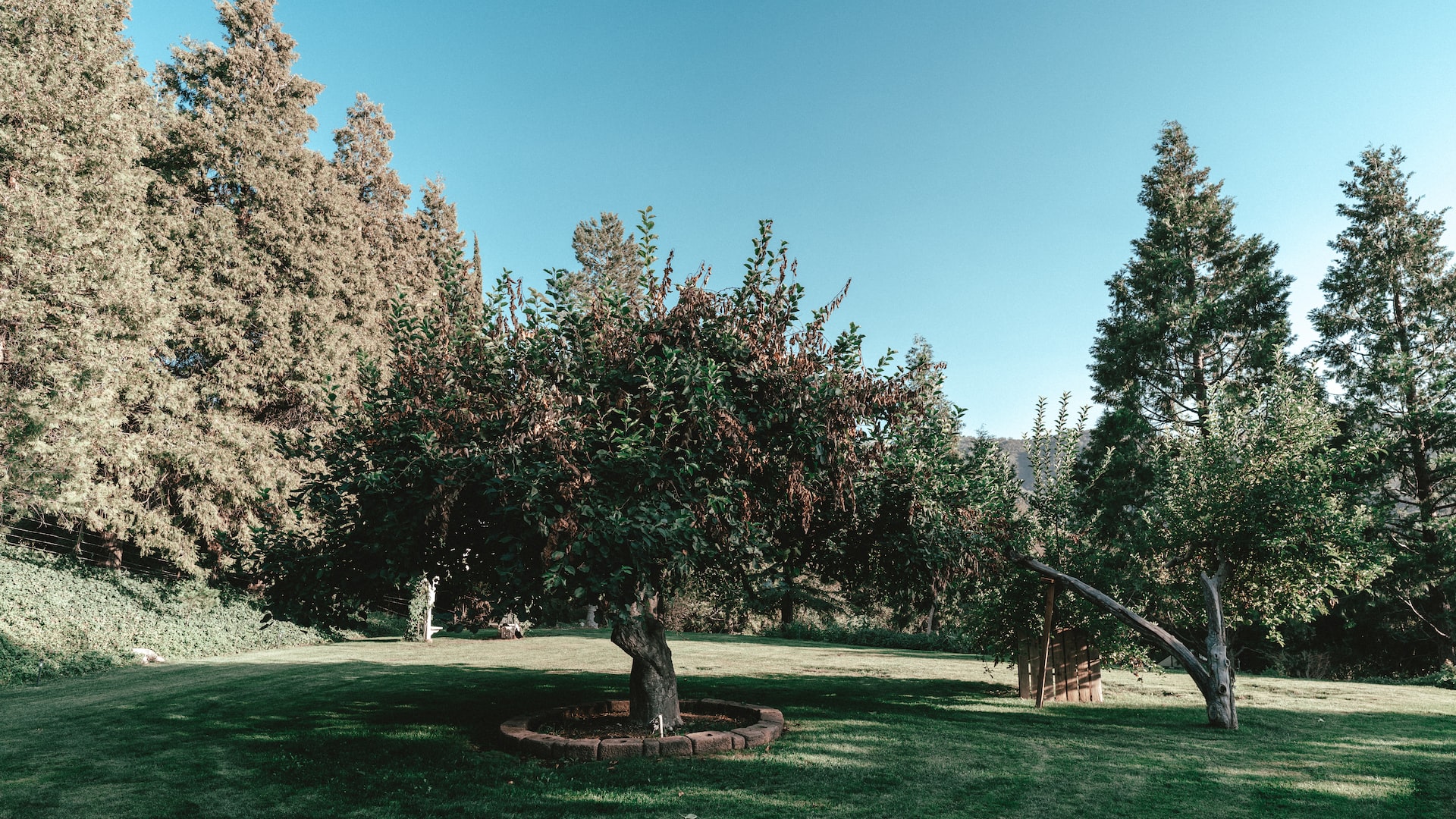
A mature tree can make a property feel as though it has found its feet. It gives the garden height, softens a hard boundary and creates a patch of shade that everyone gravitates towards on a warm afternoon. Outside a small business, the same tree might frame the entrance, shelter parked cars or make an otherwise ordinary frontage feel welcoming.
Then something changes. A branch starts brushing the roof. A canopy grows so dense that the lawn beneath it struggles. After a windy night, a heavy limb hangs at an angle that does not look quite right.
For homeowners and business owners around Waiuku and Pukekohe, these moments raise a practical question. Does the tree need a careful trim, a more considered pruning plan or complete removal?
Pukekohe Tree Services is a local company to consider for tree lopping Waiuku services that improve safety and tree health, as well as tree removal, cutting, trimming and pruning. Knowing what to ask before arranging work can help you protect the character of your property while making sensible decisions about safety, light and space.
Understanding tree lopping in Waiuku
“Lopping” is a familiar word, often used to describe almost any substantial reduction in a tree’s size. In practice, however, different cutting methods can have very different effects.
Removing large sections of a canopy without considering the tree’s structure may leave sizeable wounds, encourage poorly attached regrowth or spoil its natural shape. A tree that looks smaller immediately after cutting is not necessarily healthier or easier to manage over time.
The better starting point is the problem you want solved.
Perhaps branches are crowding a driveway. Perhaps a tree has outgrown a narrow garden bed. You might want more daylight through a kitchen window without losing the privacy the canopy provides.
Start with the outcome rather than the cut
When discussing tree services, explain how the tree affects daily life on the property. Useful details include:
- Branches touching buildings or obstructing access.
- Deadwood falling into areas used by people or vehicles.
- Dense growth blocking light from a particular room.
- A noticeable change in the tree’s lean or appearance.
- Plans for fencing, landscaping or building work nearby.
An arborist can assess whether selective pruning, canopy reduction, branch removal or another approach suits the tree and the setting. Sometimes the most effective intervention is smaller than the owner expects.
Reading the Tree Before Reaching for a Saw
A tree is a living structure, not simply a collection of branches to shorten. Its species, age, growing conditions and previous maintenance all influence how it responds to cutting.
Two trees of similar height may need entirely different treatment. One might have a strong framework and only require minor clearance pruning. Another may have decay, a damaged trunk or weak branch attachments that warrant closer investigation.
What an arborist brings to the decision
A tree arborist considers both tree health and the surrounding environment. That includes what could be affected if a branch fails, how work can be carried out and whether retaining the tree remains practical.
You may also hear the term tree surgeon. Although terminology varies, the important point is to ask about the person’s relevant qualifications, experience, insurance and proposed method of work rather than relying on a job title alone.
Ground-level observations are useful, but they do not always reveal the full picture. A healthy-looking canopy, for example, does not prove that a trunk or root system is sound.
Changes worth having assessed
Seek professional advice if you notice a substantial split, a newly hanging branch, movement in the soil around the base or a sudden change in lean. Fungal growth, cavities and dying sections of canopy can also justify assessment, although none tells the whole story on its own.
Avoid climbing up for a closer look or standing beneath damaged branches. A photograph taken from a safe position may help explain your concern when making an enquiry.
Choosing Between Trimming and Pruning
People often use tree trimming and tree pruning interchangeably. There is overlap, but the purpose of the work matters more than the label.
Trimming commonly focuses on keeping growth within a suitable outline or maintaining clearance. Pruning is a broader practice that may address structure, health, damaged growth or a specific management objective.
Making room without losing character
Careful pruning can preserve the features that made you value a tree in the first place. Instead of cutting back every branch evenly, an arborist may recommend selectively removing growth that interferes with a roof, walkway or neighbouring canopy.
This can be especially useful in established residential gardens, where a mature tree contributes privacy and shade that would take years to replace.
For small businesses, clearance is often the priority. Branches may obscure a sign, crowd a customer entrance or interfere with delivery access. A clear brief helps keep the work focused on those practical needs.
Timing and restraint matter
There is no single pruning calendar that suits every tree. Species, flowering habits, condition and the reason for pruning all influence timing.
Routine work should be planned with the tree’s response in mind. A damaged or hazardous branch may need prompt attention, while non-urgent shaping can often wait for a more appropriate opportunity.
More cutting is not automatically better value. Ask how much foliage is likely to be removed and what the expected result will look like.
Managing Branches Near Buildings and Busy Spaces
A branch does not have to be enormous to create a difficult job. Its position can matter just as much as its weight.
Tree branch removal above a conservatory, fence or parking area requires a different approach from cutting material that can fall into an open paddock. Restricted access and nearby services add further considerations.
Why controlled removal matters
Professional tree limb removal may involve working in sections and lowering material rather than allowing it to drop freely. The method depends on the site, the tree and the available equipment.
Before work begins, discuss what needs protection. That might include garden beds, outdoor furniture, glazing, paving or a neighbouring structure.
Where branches are close to electricity lines, keep your distance and seek advice from the electricity network operator. Do not attempt the work yourself or assume an ordinary pruning arrangement is suitable.
Preparing the property
A little preparation can make the working area easier to manage:
- Move vehicles away from the agreed work zone.
- Keep children and pets safely inside or elsewhere.
- Identify irrigation, garden lighting and other vulnerable features.
- Explain any shared driveway or access arrangements.
- Tell staff or tenants about temporary restrictions.
Follow the contractor’s instructions about exclusion zones throughout the job.
Knowing When Tree Removal Makes Sense
Retaining a tree is often worthwhile, but it is not always the right outcome. Tree removal may be appropriate when a tree is dead, seriously compromised or unsuitable for the space it occupies.
A proposed building or landscape project can also prompt the discussion. However, removal should not be treated as the automatic answer to every inconvenience.
Comparing the available options
Before choosing a tree removal service, ask whether the problem can reasonably be managed by pruning or changes around the tree. Equally, repeated cutting may offer little benefit if the tree is fundamentally unsuited to a confined site.
Pukekohe Tree Services can be contacted to discuss tree removal, tree cutting, trimming and pruning requirements. An enquiry should explain the tree’s location, surrounding obstacles and the outcome you are considering so the scope can be clarified.
Check current council requirements before proceeding. A tree’s location on private land does not necessarily mean it can be removed without restrictions, and relevant rules or protections may apply.
Remember the stump and debris
Removing the visible tree does not necessarily include removing its stump. Ask what is covered in the proposed work and whether any additional arrangements are needed.
Clarify whether branches will be chipped, larger wood retained or material taken away. These details affect both the finished appearance and your plans for using the space afterwards.
Special Considerations for Palms and Larger Sites
Some jobs need a different conversation from the outset. Palm tree removal, for instance, can involve heavy crowns, awkward fronds and limited room around buildings or fences.
The relatively narrow trunk of a palm can make the task look simpler from the ground than it really is. Access, height and the way material will be handled all need consideration.
Planning land clearing carefully
Land clearing is broader than removing one troublesome tree. It may involve several trees, dense vegetation and decisions about what should remain.
Before clearing begins, identify valuable shelter, useful shade and vegetation that contributes to privacy or site stability. Confirm boundaries, permissions, access and disposal arrangements rather than treating the area as a blank canvas.
For a small business expanding its usable outdoor space, retaining selected trees can sometimes deliver a better result than clearing everything and starting again.
Responding to Storm Damage Safely
After severe weather, the temptation is to get outside and tidy up immediately. Resist that urge where damaged trees are involved.
Broken limbs can remain caught in a canopy. Fallen branches may be under tension. A tree that has shifted at the base can be unstable even when it has not fallen completely.
When urgent help is needed
Emergency tree removal may be necessary when damage creates an immediate hazard, but safety comes before cleanup.
Keep people away from the affected area. If a tree involves power lines, stay well clear and contact the electricity network operator. Contact emergency services where there is immediate danger to people.
When calling a contractor, describe the situation clearly and ask about availability. Do not assume that every company provides an around-the-clock emergency service.
Questions Property Owners Often Ask
Can I simply cut back the branches that bother me?
Not always. The position and size of cuts affect the tree’s response, and work near buildings, roads or power lines adds risk. Get advice before making substantial cuts or tackling overhead branches.
Will pruning stop a tree from growing too large?
Pruning can help manage size, but it does not permanently change a tree’s natural growth potential. Some trees require ongoing maintenance, while others are simply poor matches for their location.
What should a quotation explain?
Look for a clear description of the tree work, waste handling, access needs and exclusions. Stump treatment, traffic management or additional permissions should be clarified where relevant rather than assumed to be included.
How should I prepare for an initial enquiry?
Provide the property location, a brief description of the issue and photographs taken safely from the ground. Mention restricted access, nearby structures and any concerns about instability.
Give Your Trees a Practical Plan
Good tree care starts with a clear purpose. More light, safer access, healthier growth and better use of outdoor space are all reasonable goals, but each may call for a different approach.
For properties across Pukekohe and nearby Waiuku, a considered conversation with Pukekohe Tree Services can help define the work required. The company’s details are available on the Pukekohe Tree Services website.
Before booking, discuss the scope, confirm relevant experience and insurance, and make sure cleanup arrangements are understood. Whether the answer is selective pruning or complete removal, the aim is the same—a property that works better without sacrificing useful trees unnecessarily.